
Chemical vs. Mineral Sunscreens
Published: March 2, 2026
Author: Pentakare Labs Inc.
Choosing between mineral and chemical sunscreen can feel overwhelming, especially with so much conflicting advice online. The truth is, neither is inherently “better”—they work differently and offer different benefits depending on your skin type, lifestyle, and personal preferences. But here’s where it gets interesting… Korean sunscreens have changed the game. Through innovative formulations and modern filters, they’ve found ways to minimize the common downsides of both types.
Below, we’ve broken down the key differences in commonly found mineral and chemical sunscreens—how each type works, which ingredients to look for, and how they’ll actually feel on your skin.
| Mineral (Physical) | Chemical (Organic) | |
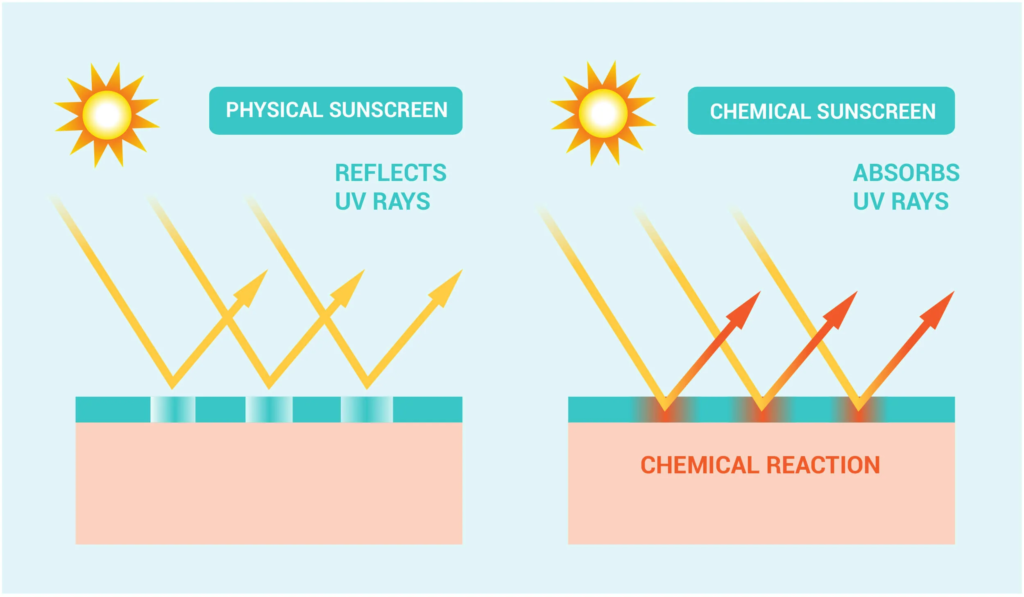
| How it works | Sits on skin and blocks UV rays like a shield | Absorbs into the skin and converts UV rays into heat |
| Key ingredients | Zinc Oxide, Titanium Dioxide | Avobenzone, Oxybenzone, Octinoxate, Ethylhexyl Triazone, DHHB/Uvinul A Plus |
| Feel on the skin | Can leave a white cast, thicker texture | Invisible, lightweight, dries clear |
| Start working | Immediately | Wait 15-20 minutes |
How They Work
Mineral Sunscreens (Physical)
Mineral sunscreens act like millions of tiny shields sitting on top of your skin. Made with zinc oxide and/or titanium dioxide, they create a protective barrier that reflects and scatters UV rays away from your skin before they can be absorbed.
Think of it this way: mineral sunscreen is wearing a protective layer of armor—the UV rays bounce right off. So your skin is protected the moment you apply it, no waiting required.
Chemical Sunscreens (Organic)
Chemical sunscreens work more like a sponge. They contain carbon-based compounds that absorb into the top layer of your skin. When UV rays hit your skin, these ingredients absorb the UV energy, convert it into harmless heat, and release it from your body.
Think of it this way: chemical sunscreen is like a built-in filtration system; it captures UV rays and neutralizes them before they can damage your skin. Make sure to apply it 15-20 minutes before sun exposure to give it time to absorb and become effective.
Some ingredients in chemical sunscreens, particularly oxybenzone, have raised safety and environmental concerns. We dive deeper into that topic here.
Pros and Cons
Every sunscreen has trade-offs. Here’s a straightforward look at the strengths and weaknesses of each type.
Mineral Sunscreen (Physical)
| Pros | Cons |
| Immediate protection: Works as soon as you apply it. | White cast: Can leave a chalky residue, especially on deeper skin tones (though Korean mineral formulas have improved this significantly) |
| Gentle on sensitive skin: Less likely to sting or irritate. Dermatologist-recommended for rosacea, eczema, and babies. | Thicker texture: Can feel heavy or pasty compared to chemical options. |
| Broad-spectrum coverage: Zinc oxide alone protects against both UVA and UVB. | Can feel drying: Some mineral formulas may cling to dry patches. |
| Reef-safe options available: Non-nano zinc oxide is generally considered safer for marine life. | May rub off more easily: Towels, sweat, and friction can remove it faster than chemical sunscreens. |
| Clean ingredient profiles and fewer components. | Harder to formulate elegantly: Takes advanced technology to make it feel lightweight. |
Chemical Sunscreen (Organic)
| Pros | Cons |
| Invisible finish: Dries clear, no white cast, works on all skin tones. | Requires wait time: Needs 15-20 minutes before sun exposure to become effective. |
| Lightweight texture: Feels like lotion and is easy to layer under makeup. | Potential irritation: Can sting sensitive skin. |
| Easier to formulate elegant textures: Gels, fluids, and water-gels that feel elegant. | Environmental concerns: Certain filters, like oxybenzone and octinoxate, are linked to coral bleaching2. |
| Often more water-resistant: Adheres better during swimming and sweating. | More ingredients. Formulations may be harder to follow due to multiple filters. |
| Can incorporate skincare benefits: Easier to blend with hydrating and soothing ingredients. | Absorption concerns: Some filters, like oxybenzone, enter the bloodstream and have been studied for potential endocrine-disrupting effects3. |
Where Korean Sunscreens Change the Game
Finding the perfect sunscreen can feel impossible. Whether you have oily skin, sensitive skin, are health-conscious, or just want to ensure your makeup sits well on your skin all day, the options feel limited and usually come with trade-offs. Korean sunscreens open the door to more choices: formulations that actually address common frustrations, instead of forcing you to settle.
Instead of relying on older filters like oxybenzone, Korean sunscreens use modern chemical filters that are:
- Gentle on the skin: Less irritation, even for sensitive types.
- Hormone-neutral: No endocrine disruption concerns.
- Reef-safe.
Some of these safer, effective ingredients include:
| Ingredeint | Benefit |
| Diethylamino Hydroxybenzoyl Hexyl Benzoate4 | Powerful UVA protection |
| Ethylhexyl Triazone5 | High-efficiency UVB filter |
| Bis-Ethylhexyloxyphenol Methoxyphenyl Triazine (Tinosorb S)6 | Broad-spectrum, stable, and gentle |
While these filters are proven safe and widely used in Korea and Europe, many are not yet approved by Health Canada or the FDA—which is why you can’t find them in most North American sunscreens 😢
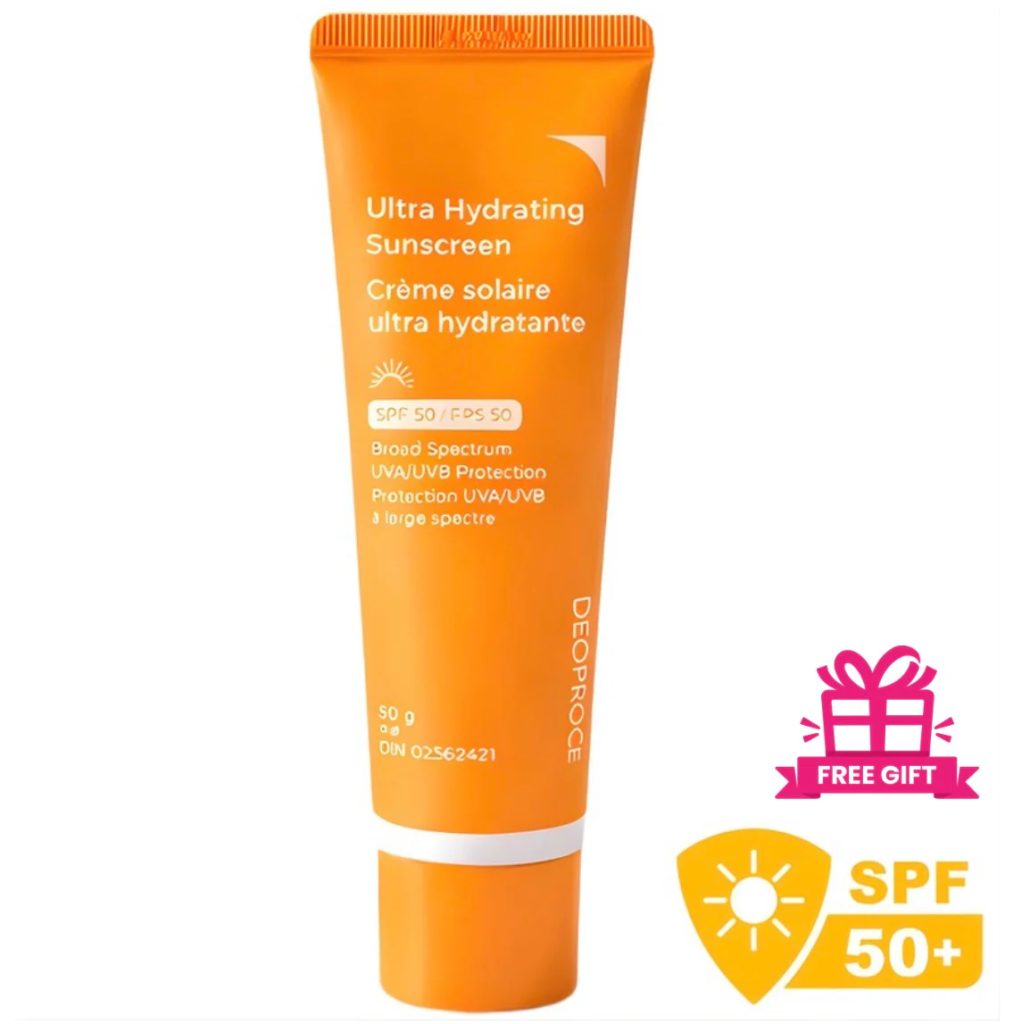
Even though sunscreens in the North American market are limited to more outdated ingredients, DEOPROCE Ultra Hydrating Sunscreen offers a Korean alternative that includes Bis-Ethylhexyloxyphenol Methoxyphenyl Triazine in the formulation—a modern, Health Canada-approved filter. You can find it in Canada through kbeauty.ca! 😄
Even Mineral Sunscreens Leveled Up
Because the Korean sunscreen market is so competitive, brands are constantly innovating. This pressure has pushed even mineral sunscreens to evolve:
- Smoother application that doesn’t pill or drag.
- Minimal to no white cast, even on deeper skin tones.
- Sensitive-skin friendly formulas that still feel lightweight.
- Hybrid options like tone-up sunscreens and SPF sunscreen makeup bases.
The result? Whether you prefer chemical or mineral, Korean sunscreens give you options that actually work with your skin—not against it.
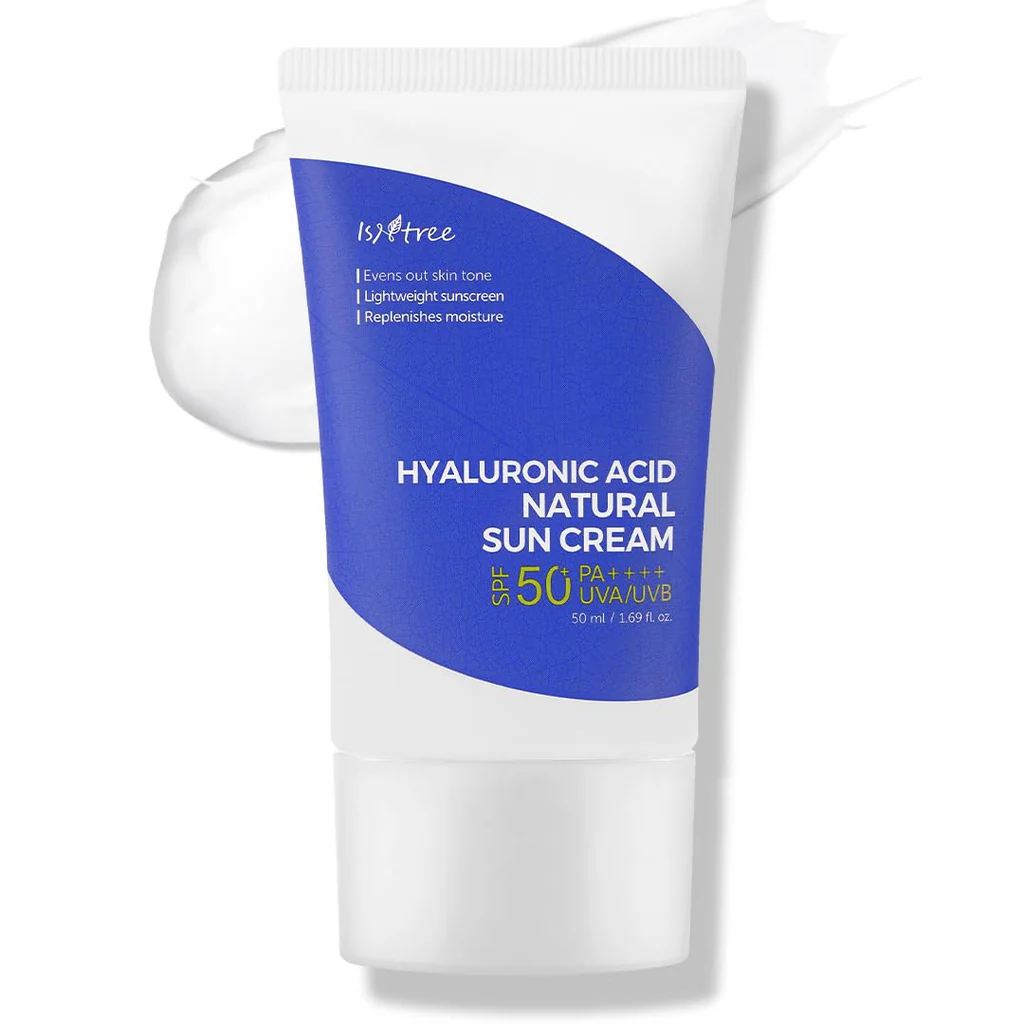
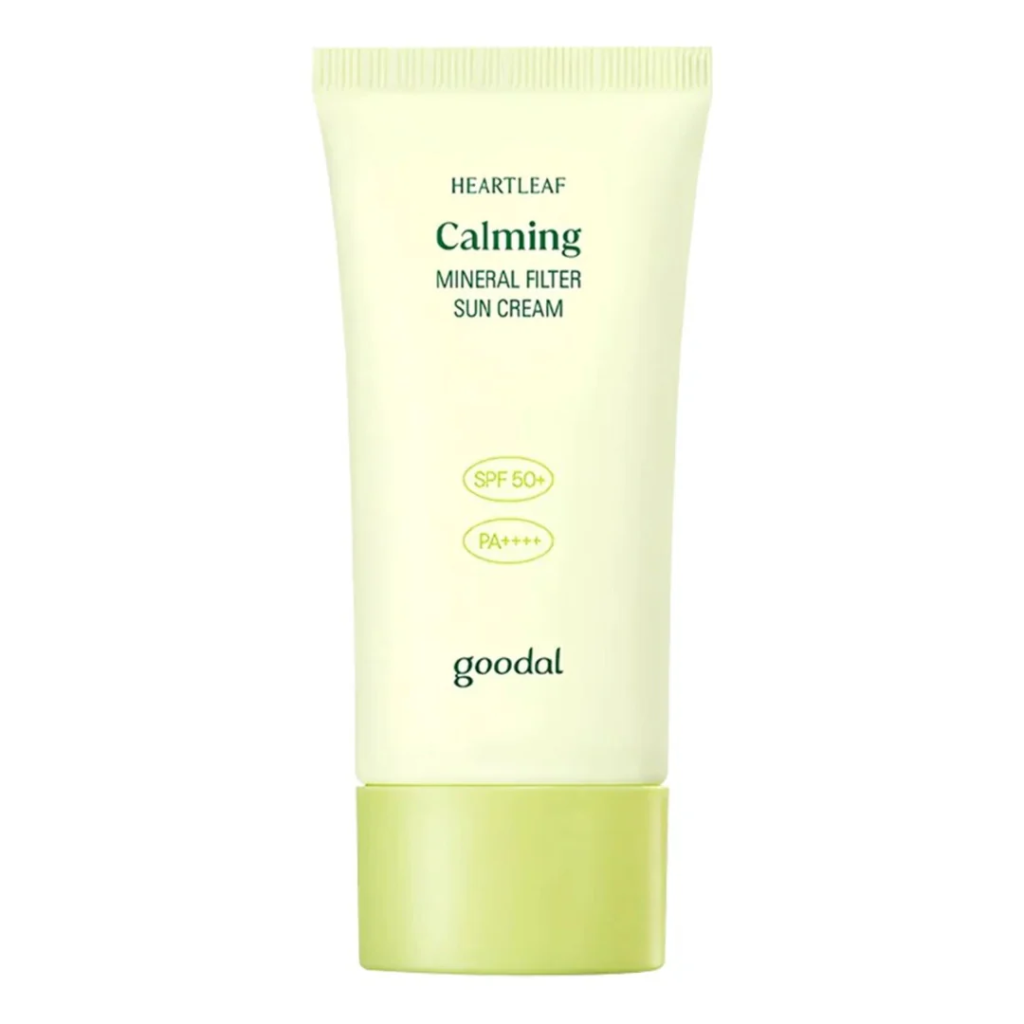
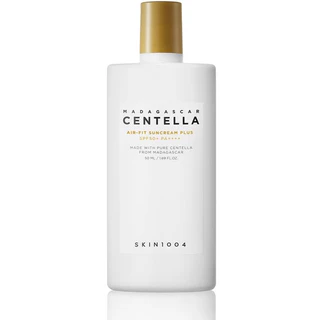
Some bestselling mineral sunscreens in Korea are listed below, all available on kbeauty.ca! 😌
- https://newdayskin.com.au/blogs/news/mineral-vs-chemical-sunscreen?srsltid=AfmBOop6dTyMHFnImu4sobJvAzRP0mbuhA-CIN4Y54obJRjSb6Fo6vtp ↩︎
- https://savethereef.org/about-reef-save-sunscreen.html ↩︎
- https://www.ewg.org/sunscreen/report/the-trouble-with-sunscreen-chemicals/ ↩︎
- https://www.ewg.org/skindeep/ingredients/718391-DIETHYLAMINO_HYDROXYBENZOYL_HEXYL_BENZOATE/ ↩︎
- https://www.ewg.org/skindeep/ingredients/702351-ETHYLHEXYL_TRIAZONE/ ↩︎
- https://www.ewg.org/skindeep/ingredients/716991-BISETHYLHEXYLOXYPHENOL_METHOXYPHENYL_TRIAZINE/ ↩︎